
The Concept of a Second Home
For pets, a second home is not merely a place to stay; it is an extension of their emotional universe. It is where routines replicate the comfort of the primary household, where familiar scents and steady caregiving soothe anxiety and where the pet’s unique personality is both understood and cherished.
Unlike impersonal kennel environments, a second home offers individual attention and emotional continuity. Pets thrive on predictability and affection; thus, a boarding experience rooted in warmth and familiarity eases the inevitable stress of separation. Just as human children feel secure in loving foster homes during parental absences, pets deserve sanctuaries that honour their emotional needs.
Emotional Bonds Beyond Ownership
The discourse around pet boarding often focuses on logistics and physical care, feeding schedules, exercise routines, medical oversight. While these are indisputably critical, the emotional dimension of boarding is profound yet frequently underestimated.
Animals, especially domesticated pets, are remarkably perceptive of changes in environment and caregiver demeanor. A second home staffed by empathetic, patient hosts allows pets to form new, albeit temporary, bonds that cushion the void left by their primary owners. The continuity of care, expressed through gentle touch, responsive communication and a calm environment, fosters trust and emotional resilience in pets.
Moreover, these relationships often blossom into lasting connections. Many hosts and owners develop enduring friendships, united by shared love and responsibility towards the pet. The second home becomes a communal space where animals are cherished beyond mere duty; where their emotional welfare is paramount.
The Science of Comfort: Why Familiarity Matters
Research in animal psychology attests to the vital role of familiar environments in reducing stress. Elevated cortisol levels in kennelled animals testify to the anxiety caused by noise, overcrowding and unfamiliarity. By contrast, home-based boarding or “second home” settings promote calmness through consistent routines, familiar activity patterns and the presence of trusted caregivers.
Familiarity operates on multiple sensory levels; from the scent of bedding to the sound of footsteps, from habitual feeding times to preferred play activities. These elements act as anchors, stabilising an animal’s emotional state. The second home principle consciously nurtures these anchors, enabling pets to maintain a sense of security despite temporary displacement.
Hosts as Emotional Stewards
The emotional success of pet boarding hinges largely on the hosts who transform houses into second homes. Their role requires more than mechanical caregiving, it demands empathy, intuition and adaptability.
Superlative hosts observe subtle behavioural cues: changes in appetite, levels of playfulness or shifts in vocalisation. They adjust their approach, matching the pet’s emotional tempo and needs. A nervous dog may require additional reassurance and slower introductions, a senior cat might call for quieter spaces and gentle handling.
Through such sensitive stewardship, hosts offer more than care; they offer sanctuary. This dedication fosters a reciprocal exchange; pets respond with trust and affection, hosts with fulfilment and connection and owners with profound peace of mind.
The Psychological Toll of Separation and How Second Homes Mitigate It
Separation from their owners is a significant source of distress for many pets. Signs of anxiety can range from mild restlessness to destructive behaviour or vocalisations. Left unaddressed, such stress can undermine long-term wellbeing.
Second homes particularly home-based ones, mitigate these effects by proactively recreating the emotional environment of the primary home. The presence of other animals, consistent caretaker faces and the maintenance of a familiar schedule collectively counteract the sense of abandonment.
Veterinarians and behavioural specialists increasingly endorse second-home boarding as part of holistic pet wellness, emphasising that emotional stability significantly influences physical health outcomes during periods of separation.
Cultural Shifts in India’s Pet Boarding Paradigm
India’s rapidly evolving pet care landscape reflects broader socio-cultural transformations. Traditionally, extended family networks provided informal pet care, their emotional support embedded in close-knit communities. With urbanisation and nuclear families, these systems have attenuated, creating a demand for professional yet emotionally intelligent boarding solutions.
Today, India embraces home-based pet boarding as more than a commercial service; it is a cultural reimagining of caregiving, blending traditional values of hospitality with modern animal welfare science. The concept of the second home embodies this synthesis, providing pets with continuity of familial warmth, all within a professionalised framework.
Technology Augmenting Emotional Care
Technology, often viewed as cold or impersonal, paradoxically enhances the emotional side of pet boarding. Smart devices allow owners to connect visually and audibly with their pets, reducing separation anxiety on both sides. Meanwhile, pet hosts access apps that store behavioural profiles and care instructions, ensuring that emotional nuances are respected.
AI-powered platforms increasingly offer training to hosts, helping them decode emotional signals and respond effectively. Such digital augmentation transforms boarding from a transactional experience into a collaborative, caring journey between owner, host and pet.
The Owner’s Emotional Journey
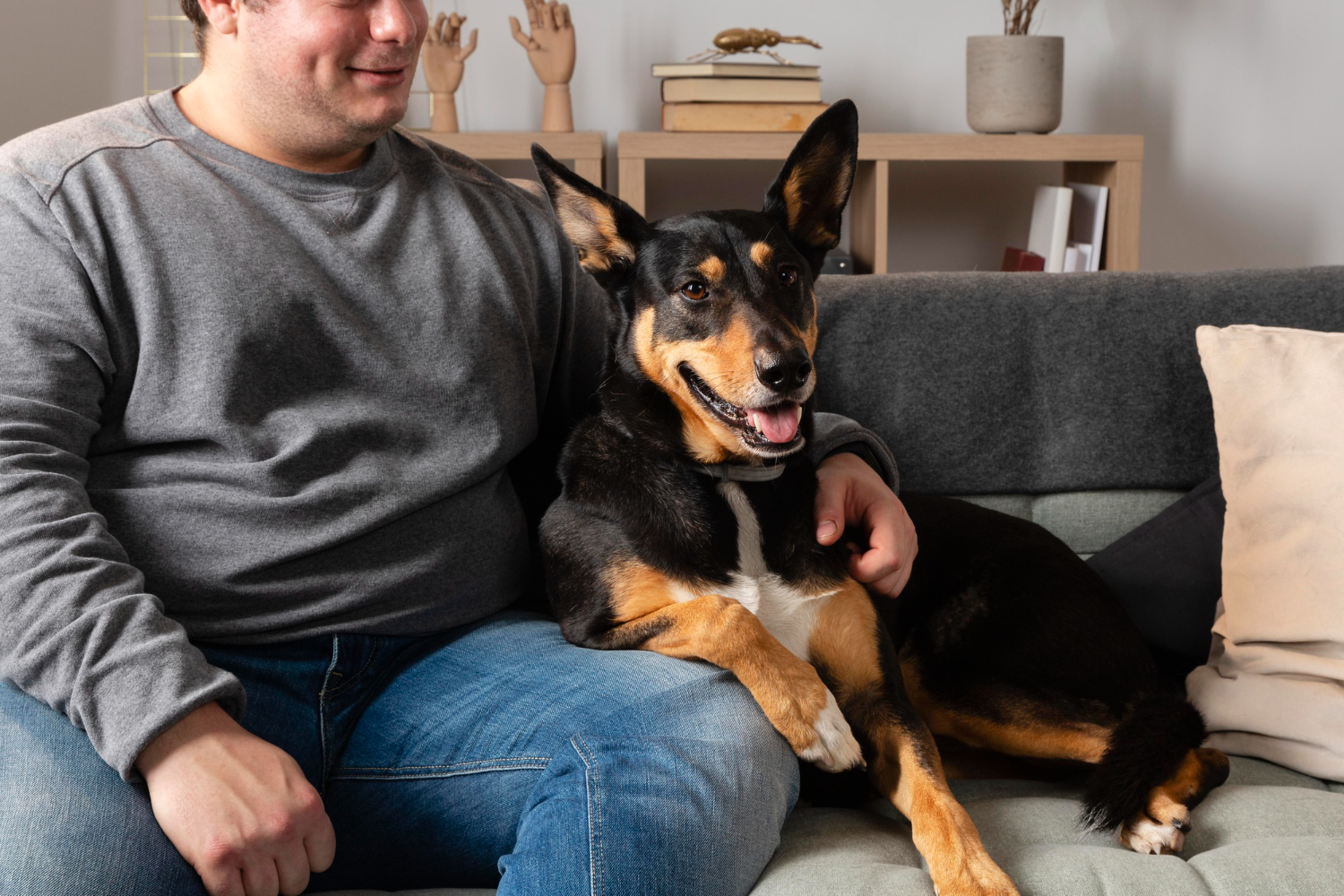
Pet boarding does not merely affect pets; it deeply impacts owners, whose peace of mind relies on the assurance of their pet’s emotional and physical safety. Choosing a second home is an emotionally charged decision. Owners seek not just competent care but also empathy and connection.
The process- often involving visits, trial stays and communication, cultivates trust. Modern platforms facilitate this by enabling transparent reviews, profile vetting and open dialogue. Owners who find trusted second homes report lower anxiety during travel and a renewed appreciation for their pet’s social adaptability.
Final Reflections: The Imperative for Emotional Excellence
A pet’s well-being encompasses mind, body and spirit; boarding should never be reduced to feeding and confinement alone. The second home concept demands an elevation of standards, recognition that emotional needs hold equal if not greater sway in pet welfare.
For pet owners, hosts and industry innovators alike, the challenge lies in fostering environments where animals feel truly at home even away from home. This means cultivating empathy, investing in education, integrating technology wisely and continuously prioritising the emotional fabric of care.
In doing so, we honour the sacred trust vested in us by our animal companions, the trust that wherever life takes us, their comfort, joy and emotional security remain steadfast.